How the DPDP Act 2023 Affects Timesheet Approval Workflow for Manufacturers in Maharashtra, India
How the DPDP Act 2023 Affects Timesheet Approval Workflow for Manufacturers in Maharashtra, India The Digital Personal Data Protection (DPDP) Act 2023
The HelloTime team
8 min read
On this page
How the DPDP Act 2023 Affects Timesheet Approval Workflow for Manufacturers in Maharashtra, India
The Digital Personal Data Protection (DPDP) Act 2023 is India’s landmark law regulating personal data use, impacting how manufacturers in Maharashtra handle employee information. Specifically, it affects timesheet approval workflows by mandating data privacy, consent, and secure processing. Manufacturers must update policies, train staff, and implement compliant time tracking systems.
Key takeaways
- The DPDP Act 2023 enforces stricter personal data protection, including employee timesheet data.
- Manufacturers in Maharashtra must ensure timesheet approval processes comply with consent and privacy norms.
- Consent must be informed, freely given, specific, and revocable for employee data processing.
- Data minimisation and secure storage of timesheet information are critical under the law.
- Automating timesheet approvals with compliant software reduces risk and improves efficiency.
- Non-compliance can lead to penalties, reputational damage, and disrupted operations.
What is the DPDP Act 2023 and why does it matter for timesheet approvals?
The DPDP Act 2023 is India’s first comprehensive law designed to protect personal data, including digital data collected by businesses. For manufacturers in Maharashtra, this means any employee information captured during time tracking and approval workflows — such as clock-in times, GPS location, and biometric data — is now regulated.
Under the Act, personal data must be processed fairly and transparently. Employees have rights to access, correct, and erase their data. Data fiduciaries (employers) must implement necessary safeguards, obtain valid consent, and maintain records of processing activities.
This law directly affects the timesheet approval process. Employers can no longer treat employee time tracking details as mere operational data; this information qualifies as personal data requiring careful legal handling to protect employee privacy, avoid data misuse, and comply with Maharashtra’s labour and privacy standards.
How does the DPDP Act impact timesheet approval workflows in Indian manufacturing units?
In a manufacturing unit in Pune or Mumbai, the timesheet approval workflow typically involves collecting clock-in/out data, correcting anomalies, and supervisor authorisation before payroll processing. The DPDP Act 2023 requires that:
- The collection of employee clock-in data (including GPS or face recognition) must have explicit, informed employee consent.
- Only essential data must be collected — avoid unnecessary details beyond work hours or shift attendance.
- Secure storage protocols must be in place to prevent unauthorised access or breaches.
- Employees must be informed about who accesses their timesheet data and for what purpose.
- Automated timesheet systems should log approvals and data access actions for audit trails.
- Employees should have easy ways to access or request corrections to their timesheet data.
- Retention periods for timesheet data must align with legal requirements; old data must be securely deleted once obsolete.
These provisions mean manual or paper-based timesheets become riskier as they may fail transparency and security tests under the DPDP Act. Manufacturers in Maharashtra should move to digital, audited approval workflows with built-in privacy controls and consent capture mechanisms.
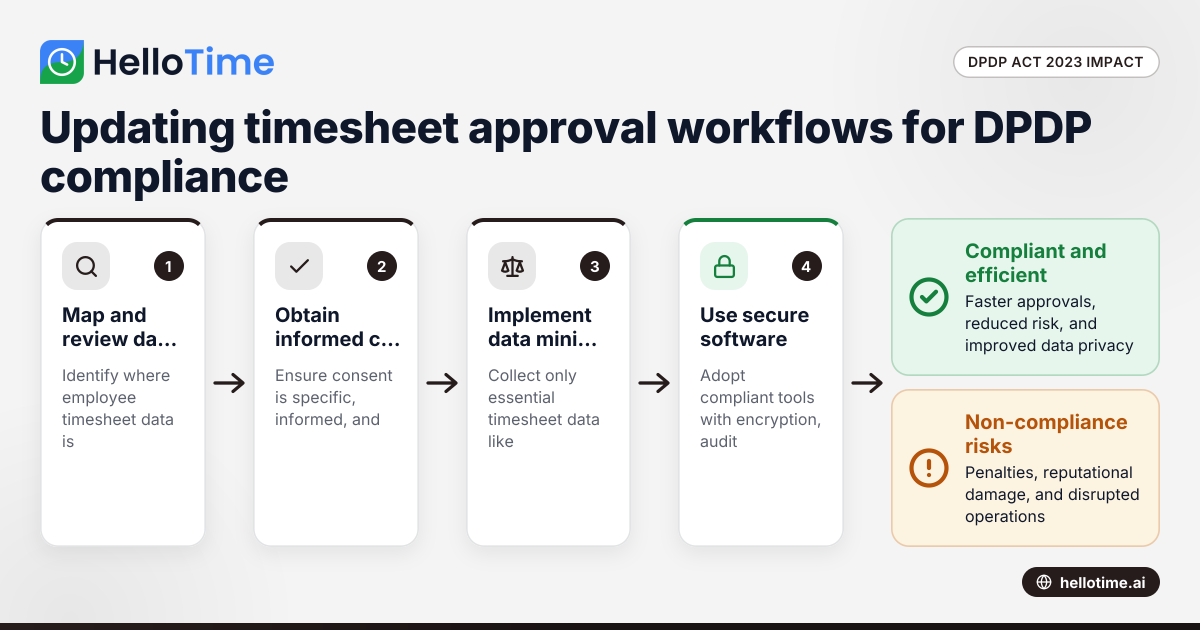
How can manufacturers ensure compliance with the DPDP Act 2023 in timesheet approval?
Manufacturers can take these concrete steps to comply:
1. Review and map timesheet data flows
Understand all points where employee time data is captured, stored, approved, and shared. This includes face recognition kiosks, GPS clock-ins, supervisor approvals, and payroll systems.
2. Obtain informed consent from employees
Before collecting timesheet data, explain why it’s needed, how it will be used, stored, and employee rights under DPDP. Consent must be clear and documented.
3. Implement data minimisation principles
Collect only what is necessary — typically clock-in/out time and attendance status. Avoid excessive biometric capture beyond legal necessity.
4. Use secure, compliant timesheet and approval software
Choose tools offering encryption, access control, audit logs, and data subject rights management. Automation reduces manual handling errors and improves compliance.
5. Train HR and operations managers
Educate managers involved in timesheet approvals about DPDP obligations, including confidentiality and handling employee queries on data use.
6. Define retention and deletion policies
Align data retention periods with statutory labour laws and delete personal data once it is no longer required, consistently with DPDP norms.
7. Monitor and audit compliance regularly
Use internal audits and continuous monitoring to ensure workflows remain DPDP compliant as business needs evolve.
What is the effect of AI and automation on DPDP Act timesheet approval workflows?
AI-powered tools can simplify DPDP compliance by automating consent capture, timesheet validation, and approval logging securely. Such systems reduce human error and enforce data protection rules uniformly.
For manufacturing units in Maharashtra, AI dpdp act compliance means deploying time tracking software with built-in privacy modules. These include face recognition with consent prompts, geofencing that respects employee privacy zones, and automatic audit trail creation.
Automation speeds approvals, reduces paperwork, and safeguards sensitive personal data from mishandling. However, manufacturers must ensure AI models processing employee data meet transparency requirements, with clear disclosures about any AI use during timesheet approvals.
How does DPDP affect payroll linked to approved timesheets in Maharashtra manufacturing?
Payroll depends on accurate and approved timesheets. The DPDP Act requires that employee payroll data, which is personal, must also comply with confidentiality and consent norms.
Employers must ensure approved timesheets used for payroll deduction calculations follow DPDP guidelines for data protection. For example, deductions under PF, ESI, and TDS must only process data allowed under the Act, with clear employee communication.
Integrated software that combines timesheet approvals and payroll processing helps maintain compliance by automatically applying statutory Indian labour deductions while enforcing data privacy controls. This reduces risk and compliance burden for Maharashtra manufacturers.
How do small to mid-sized manufacturers in Maharashtra benefit from DPDP-compliant timesheet automation?
Most manufacturers here still track attendance with spreadsheets or paper, risking privacy violations and approval delays. DPDP compliance encourages investment in secure workforce management platforms.
Benefits include:
- Faster, error-free approvals with digital timesheets.
- Better employee trust as data privacy norms are respected.
- Reduced legal risk from data breaches or non-compliance penalties.
- Simplified audits with clear logs of who approved what and when.
- Efficient payroll processing linked to correct attendance.
For companies in industrial hubs like Pune, Navi Mumbai, or Aurangabad, these improvements mean smoother factory operations and workforce management at scale.
What challenges should manufacturers expect when adapting to DPDP Act for timesheet approvals?
Common challenges include:
- Employee understanding and trust around new consent requirements.
- Updating legacy manual or fragmented systems to modern digital workflows.
- Providing offline options for workers with limited smartphone access.
- Ensuring supervisors comply with confidential handling of timesheet data.
- Balancing data minimisation with operational needs, such as shift swaps or overtime tracking.
Addressing these involves strong communication, training, and gradual digital transformation with appropriate technology partners.
Ready to upgrade your manufacturing timesheet approval workflows?
Manufacturers in Maharashtra can confidently comply with the DPDP Act 2023 by moving beyond manual attendance tracking. Embracing time tracking software in India streamlines approvals, enhances data privacy, and integrates statutory payroll deductions seamlessly.
Explore features to see how HelloTime’s secure, automated platform supports DPDP compliance for manufacturers. Compare plans to find the right fit for your factory’s size and needs at pricing.
Frequently asked questions
What types of employee data in timesheets are protected under DPDP Act 2023?
Any personal data collected digitally or physically as part of time tracking is covered — including clock-in times, biometric data like face recognition, GPS location at clock-in, and attendance status.
Must manufacturers get employee consent for timesheet data collection?
Yes. The DPDP Act mandates informed, specific, and voluntary consent before collecting or processing personal employee data, including attendance details.
Can traditional paper timesheets comply with the DPDP Act for factories?
Compliance is challenging with paper due to lack of audit trails and data security. Digital timesheets with secure access controls provide better DPDP adherence and reduce manual errors.
How long can employers in Maharashtra retain approved timesheets under DPDP?
Timesheet data should be retained only as long as necessary for operational and statutory purposes, such as payroll audit or labour law compliance, then safely deleted per the Act.
Does using AI in timesheet approvals create extra DPDP compliance duties?
Yes. AI use must be transparent to employees, and data processed by AI models must respect DPDP rules around consent and purpose limitation. Automated workflows must log AI use and decisions.
What penalties exist for non-compliance with DPDP in timesheet approvals?
Non-compliance can result in monetary fines and enforcement actions by the Data Protection Authority. It can also damage employee trust and lead to legal disputes impacting operations.
This information aims to provide practical guidance only and does not constitute legal advice. For detailed counsel on DPDP compliance specific to your manufacturing unit, consult a legal professional.
Read next
This article covers one part of a bigger topic. For the complete picture, read our guide to gdpr dpdp dpa.
Keep reading
Related articles
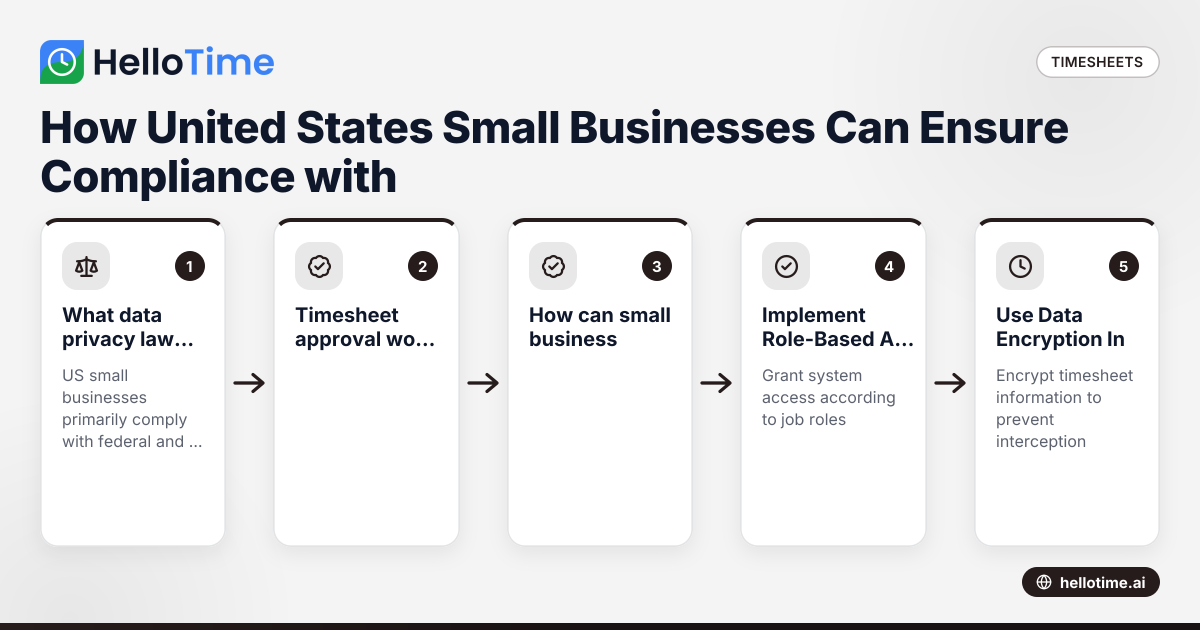
How United States Small Businesses Can Ensure Compliance with Data Privacy in Timesheet Approval Workflows
Timesheet approval workflows handle sensitive employee data. United States small businesses must ensure compliance with data privacy laws to protect.
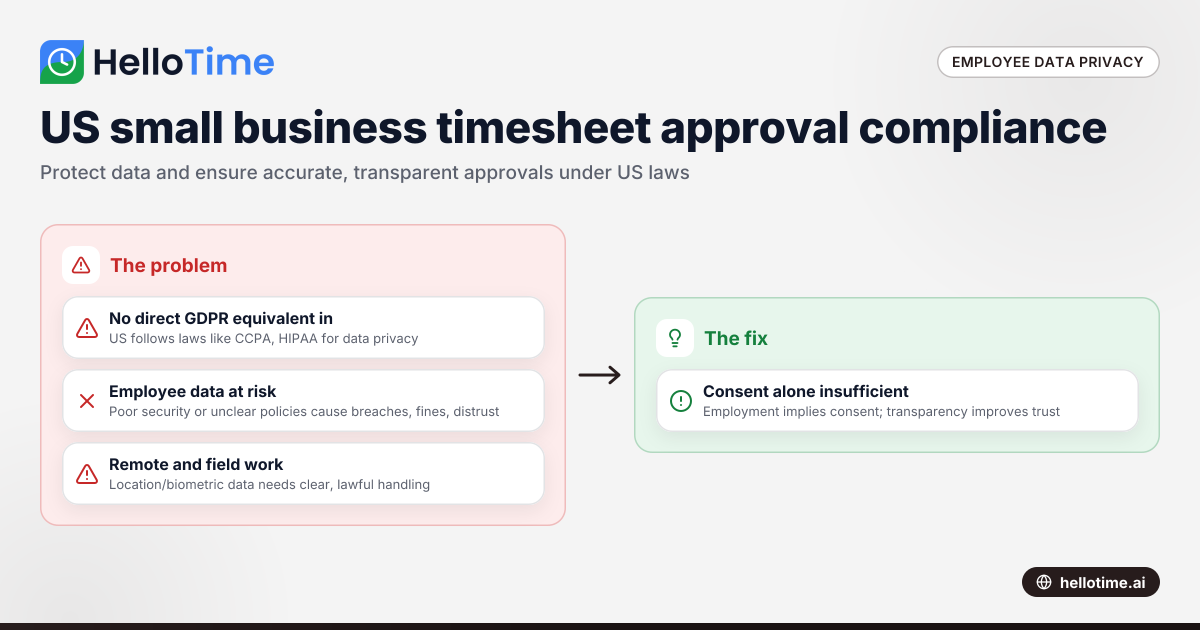
GDPR Equivalent Compliance in United States Timesheet Approval Workflows: What Small Businesses Need to Know
GDPR is a European data privacy law not enforced in the U.S., but American businesses must still protect employee data and maintain transparent.
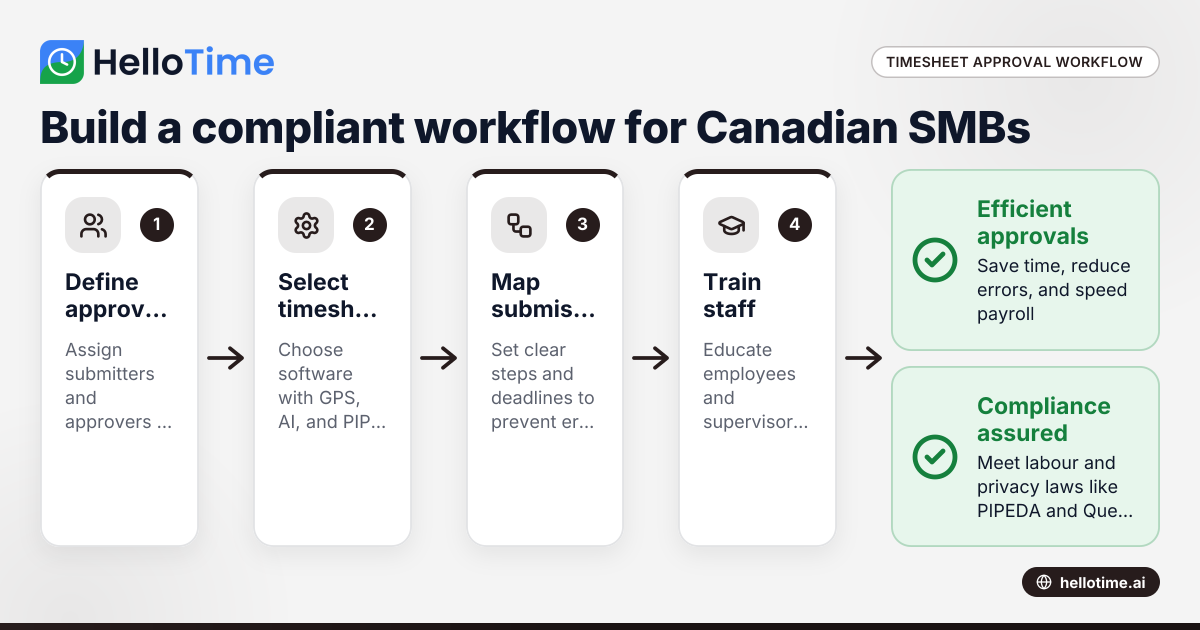
Streamlining Timesheet Approval Workflows for Canadian Small Businesses
Streamlining your timesheet approval workflow is essential for Canadian small businesses to save time, reduce errors, and maintain compliance with.