GDPR Compliance Tips for Timesheet Approval Workflows in United Kingdom Businesses
GDPR compliance is essential for UK businesses managing timesheet approval workflows to protect employee data and meet legal requirements. This means.
The HelloTime team
5 min read
On this page
GDPR compliance is essential for UK businesses managing timesheet approval workflows to protect employee data and meet legal requirements. This means handling timesheet information with transparency, security, and clear employee consent to avoid penalties under the Data Protection Act 2018.
Key takeaways
- Timesheet approval workflows must follow GDPR principles to safeguard personal data.
- Only collect necessary employee data and inform staff about its use.
- Secure data storage and access controls reduce breach risks.
- Automation can boost GDPR compliance by enforcing consistent processes.
- Retain timesheet data only as long as needed for legal or payroll purposes.
- Regular employee training on data protection strengthens ongoing compliance.
What is GDPR and why does it matter for timesheet approval workflows?
GDPR is UK law under the Data Protection Act 2018 governing how businesses handle personal data. For timesheet workflows, employee data such as hours worked, clock-in times, and leave requests must be processed transparently and securely. Non-compliance risks fines and reputational harm.
Employees have rights including accessing and correcting their data. Employers must collect only relevant data and use it lawfully, typically for payroll and HR management. The ICO enforces these rules with penalties for breaches.
What special considerations does AI GDPR compliance introduce?
AI GDPR compliance requires ensuring that any AI tools processing timesheet data do so transparently, securely, and with minimal personal data exposure. Employees must understand how AI affects their data, and risks like bias or unauthorised access must be managed carefully under GDPR.
How can UK businesses design GDPR-compliant timesheet approval workflows?
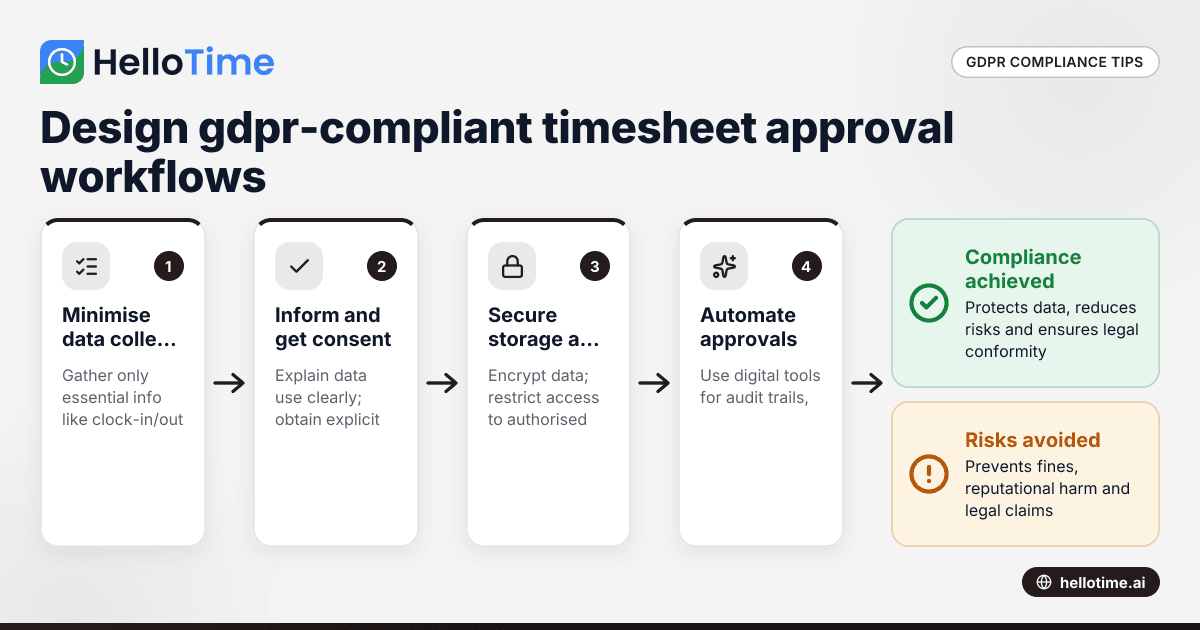
Design GDPR-compliant workflows by combining policies, technology, and training:
Minimise data collected Collect only essential information like clock-in/out times and leave requests. Avoid unnecessary personal or sensitive data.
Inform and get consent Clearly explain data use and obtain explicit consent for sensitive methods such as biometric or GPS tracking.
Secure storage and access Encrypt data and restrict access to authorised staff only, with regular audits of data access.
Automate approvals Use digital tools that create audit trails, send notifications, and track approvals to reduce errors and maintain compliance.
Set retention policies Retain data only as needed, typically six years for HMRC payroll records. Delete or anonymise data after this.
Train staff regularly Update teams on data protection obligations and safe handling procedures.
Using workforce management software with built-in GDPR features, like HelloTime, can simplify compliance while streamlining workflows.
What are the risks of non-compliance with GDPR in timesheet approvals?
Non-compliance risks include:
- Heavy fines from the ICO, up to £17.5 million or 4% of turnover.
- Reputational damage harming employee trust and business standing.
- Employee claims or legal action for mishandling data.
- Operational disruption from investigations and costly remediation.
Embedding GDPR principles in timesheet approvals helps prevent these outcomes.
How does automation support GDPR compliance in timesheet approvals?
Automation promotes GDPR compliance by consistently applying data protection rules, reducing human error, and increasing transparency. It can capture electronic consents, log approvals, enforce data retention policies, and encrypt data. AI-powered automation with ai gdpr features can detect irregularities but must adhere strictly to data protection laws.
What special GDPR considerations apply to biometric and GPS clocking methods?
Biometric and GPS data are sensitive personal data requiring explicit consent and strong safeguards under GDPR. Employers must:
- Clearly inform employees about data use.
- Ensure robust security measures and limited access.
- Allow opt-outs or alternatives where feasible.
- Collect only necessary biometric details.
Failing to meet these standards exposes UK businesses, especially those in London and Manchester, to ICO scrutiny.
How long can UK businesses legally retain timesheet data?
HMRC mandates retaining payroll and timesheet records for at least six years to comply with tax and audit rules (Making Tax Digital). GDPR requires deleting or anonymising data once it’s no longer necessary. Keeping retention schedules automated is best practice to avoid excess data storage.
What are key GDPR best practices for managing remote team approvals?
For remote or hybrid teams:
- Use secure, encrypted cloud platforms.
- Apply role-based access controls.
- Enable multi-factor authentication.
- Regularly monitor audit logs for anomalies.
- Communicate privacy updates clearly.
- Ensure third-party providers comply with UK GDPR.
These steps protect timesheet data while maintaining flexibility.
How to prepare for a GDPR audit of timesheet and approval workflows?
- Map out data flows in all timekeeping systems.
- Verify lawful bases for processing personal data.
- Update consent records and privacy notices.
- Confirm encryption and access controls are in place.
- Align data retention policies with UK rules.
- Test processes for employee data requests.
- Document policies, procedures and training.
Clear accountability helps demonstrate compliance to the ICO.
UK businesses can protect employee data and meet GDPR requirements by embedding these best practices in their timesheet approval workflows. To simplify compliance with automated, secure tools, explore full HelloTime features or compare plans at HelloTime pricing.
Frequently asked questions
What is the main GDPR risk with timesheet data?
The biggest risk is unauthorised access or misuse of employees’ personal data, leading to fines and trust loss. Secure storage, access controls and legal processing are essential.
Can biometric timesheet data be collected without consent?
No. Biometric data is sensitive personal information requiring explicit, informed consent under UK GDPR or another lawful basis.
How long must payroll-related timesheet data be kept?
HMRC requires payroll and timesheet records be kept for six years after the relevant tax year. Data should be deleted or anonymised after this.
How does GDPR affect employees’ rights over timesheet data?
Employees can access, correct or request deletion of their timesheet data, within legal retention limits.
Is automated timesheet approval more GDPR compliant?
Automation enforces consistent data protection measures, reduces errors and logs actions for better GDPR compliance.
What should I do if my timesheet data is breached?
Report serious breaches to the ICO within 72 hours, notify affected staff if needed, and review your security immediately.
Read next
This article covers one part of a bigger topic. For the complete picture, read our guide to gdpr dpdp dpa.
Keep reading
Related articles
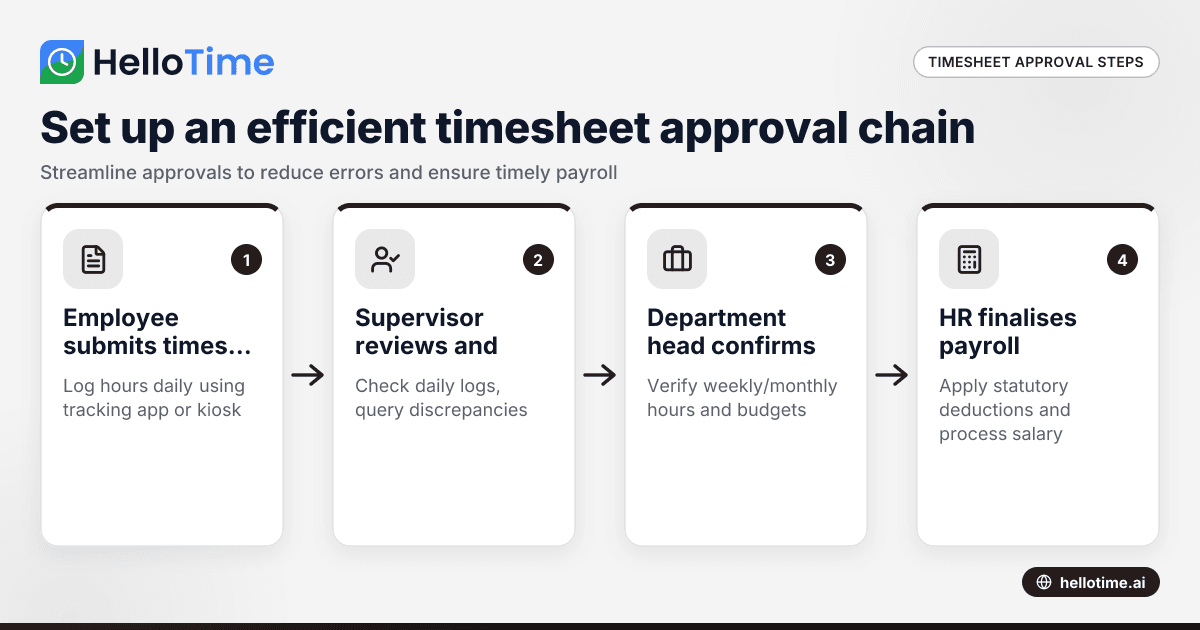
How to Set Up an Efficient Timesheet Approval Chain for Indian SMEs
How to Set Up an Efficient Timesheet Approval Chain for Indian SMEs This guide is for owners, HR, and operations managers at Indian small and.
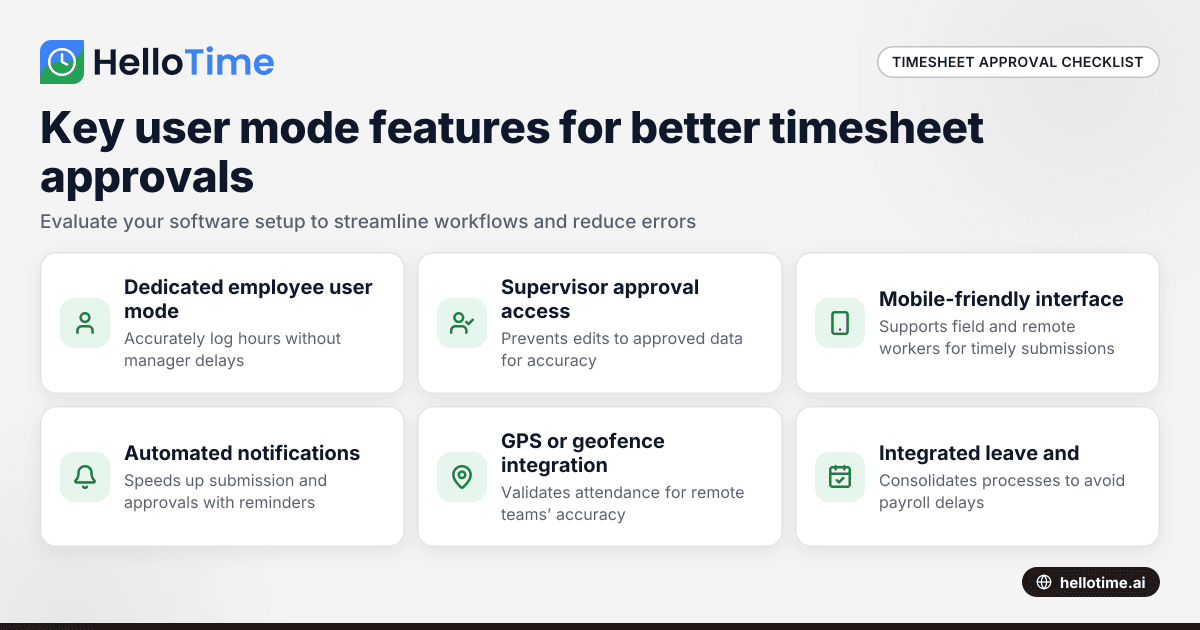
How User Mode Enhances Timesheet Approval Workflow for Indian Small Businesses
How User Mode Enhances Timesheet Approval Workflow for Indian Small Businesses.
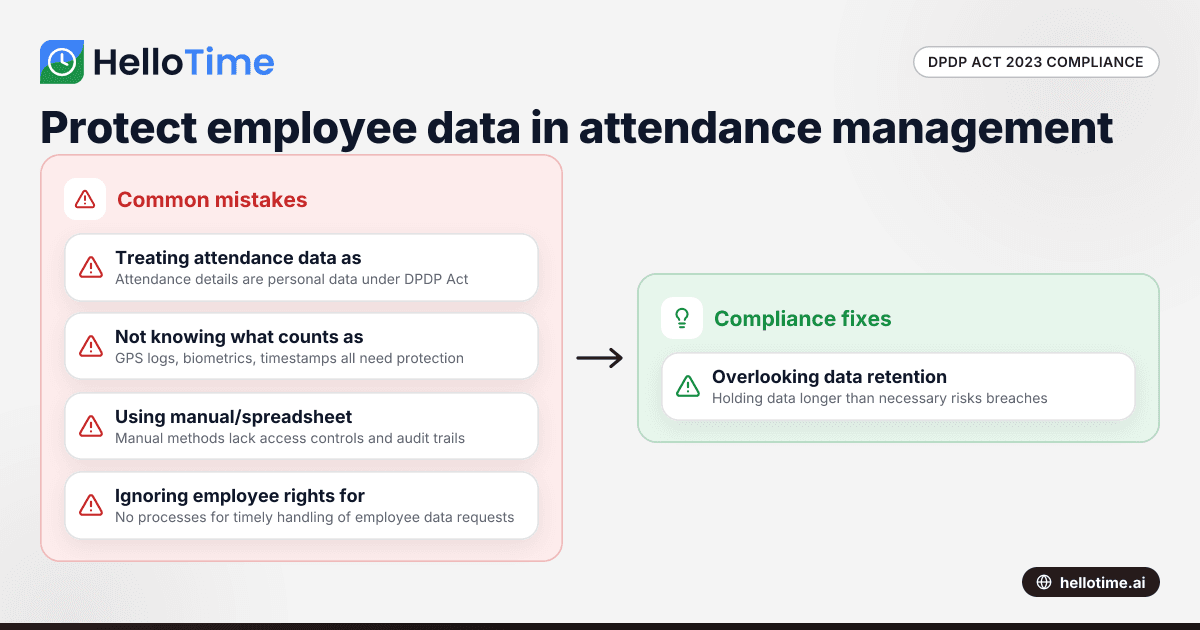
What Indian Businesses Need to Know About Data Protection Under the DPDP Act 2023 When Managing Attendance and Timesheets
Businesses tracking employee attendance and timesheets in India face growing risks if they overlook the DPDP Act 2023’s mandate for protecting.