What Indian Businesses Need to Know About Data Protection Under the DPDP Act 2023 When Managing Attendance and Timesheets
Businesses tracking employee attendance and timesheets in India face growing risks if they overlook the DPDP Act 2023’s mandate for protecting.
The HelloTime team
6 min read
On this page
Businesses tracking employee attendance and timesheets in India face growing risks if they overlook the DPDP Act 2023’s mandate for protecting personal data. Mishandling sensitive employee information can lead to hefty penalties, data breaches, loss of trust, and costly compliance audits. For SMEs managing shifts, payroll, and attendance records, ignorance of these rules means exposing the company to regulatory sanctions and operational disruptions.
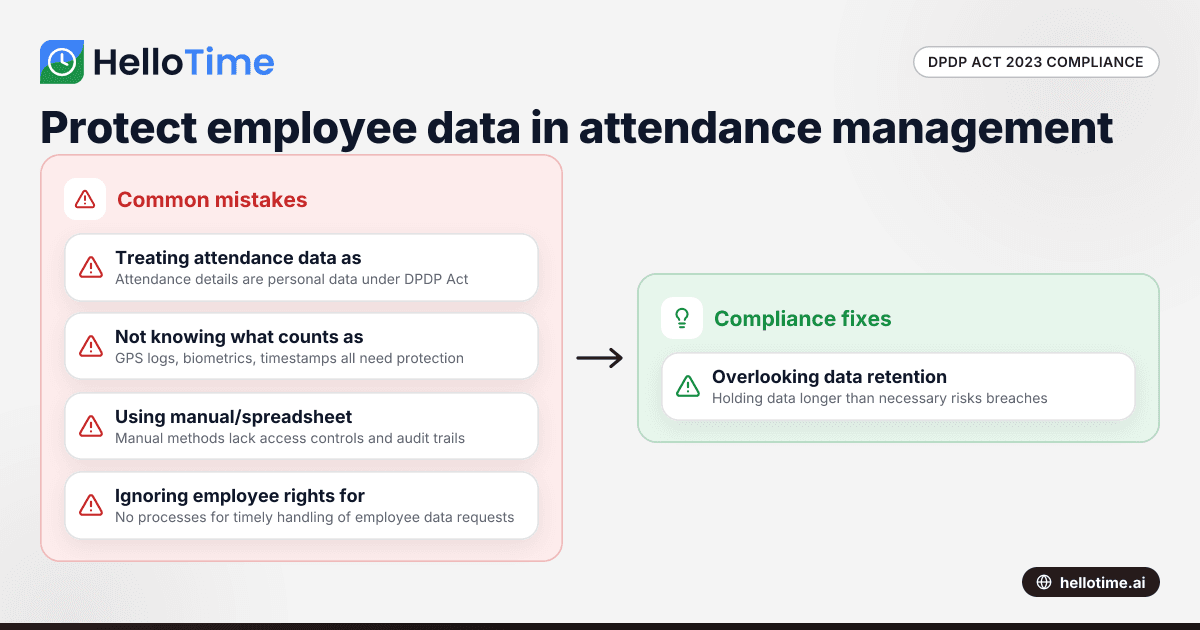
Mistake 1: Treating Employee Attendance Data as Just Operational Info
Many Indian businesses view attendance and timesheet data purely as operational records — numbers for payroll or billing — ignoring that these are personal data protected under the DPDP Act 2023. This mistake happens because attendance software and manual records often do not flag data privacy issues explicitly.
The DPDP Act considers biometric details, location logs from clock-ins, and work hour data as personal information. Employers must obtain informed consent, must secure this data, and must clearly state why they are collecting it. The fix is to treat attendance data with the same rigour as salary or identity details, adopting privacy-by-design in timesheet and attendance management, including encryption and access controls.
Mistake 2: Not Knowing What “Personal Data” Means Under the DPDP Act 2023
What counts as “personal data” under the DPDP Act 2023 goes beyond obvious identifiers. Some teams collect GPS-based clock-in data, biometric face recognition on tablets, or phone numbers used in WhatsApp communications for shift updates. These are all personal data that need protection.
A common error is assuming only government ID numbers or bank account details are sensitive. The law’s broad scope means even the timestamp of attendance can be considered personal data tied to an individual’s identity. The fix is to map every element collected in attendance and timesheets against DPDP definitions, then apply data minimisation principles.
What are the key steps for employee data protection compliance under the DPDP Act 2023?
Indian businesses must identify personal data types they process, obtain explicit employee consent, implement technical safeguards, and prepare for data subject requests.
First, list all employee data sources linked to attendance and payroll, including biometric and GPS logs. Obtain documented consent forms detailing purpose and duration of data use. Use security controls like role-based access and encryption to prevent leaks. Finally, build processes to swiftly respond if employees request copies or correction of their data.
Mistake 3: Using Manual or Spreadsheet Tracking Without Controls
Tracking attendance via spreadsheets or paper makes it hard to monitor who accesses sensitive employee data or how it is shared. This lack of control violates the DPDP Act’s requirement to protect personal data against unauthorised access and misuse.
Why does this happen? Many small Indian businesses keep using legacy methods due to cost concerns or familiarity. However, these methods lack audit trails and increase the risk of data exposure in offices across Mumbai, Pune, or Bengaluru.
The fix is switching to dedicated attendance and timesheet software built with data protection compliance in mind. Such software logs access, encrypts stored data, and often integrates controls for consent and data retention aligned with Indian law.
Mistake 4: Ignoring Employee Rights for Access and Correction
Under the DPDP Act, employees can seek access to their personal data or request corrections where inaccuracies appear. Many businesses are unaware of this or fail to establish processes to respond within the prescribed timeline.
Why does this happen? Smaller HR teams often manage data ad hoc and lack standard operating procedures for data subject requests.
Fixing this requires training HR and operations staff on DPDP rights, setting up a clear, documented workflow for handling access or correction requests, and using software features that facilitate quick data retrieval and audit trails.
Why should Indian business owners worry about AI DPDP Act compliance in attendance management?
AI-enabled attendance and shift systems can process employee data in new ways, increasing compliance complexity. The “ai dpdp act” intersection highlights that if your attendance system uses AI to detect patterns or forecast staffing needs, your responsibility grows to ensure AI-driven processing respects data privacy.
It’s essential to review AI system design for lawful processing under the DPDP Act and ensure transparency with employees about AI usage. This reduces risks of overreach or bias and keeps employee trust intact.
Mistake 5: Overlooking Data Retention Policies
Many Indian SMEs fail to define and enforce data retention rules specifically for attendance and payroll data. Holding on to old data indefinitely increases exposure to breaches and violates DPDP guidelines that personal data should not be retained longer than necessary.
Why? Often retention policies are unclear or undocumented; manual systems exacerbate this by lacking automated data deletion.
The fix is to define retention periods following labour laws (e.g., maintaining records for 3-5 years) and using software that automates data archival or disposal while keeping compliance audit trails.
How can Indian businesses keep personal data secure while managing attendance and payroll?
Secure data starts with clear policies, employee awareness, and leveraging technology designed with data protection in mind.
Begin by classifying sensitive attendance data and restricting access strictly to payroll and HR teams needing it. Adopt data encryption at rest and in transit, including for cloud-hosted attendance logs. Control physical access to attendance devices like biometric kiosks. Incorporate regular audits and vulnerability assessments into your HR and IT routines. Lastly, keep staff trained on the DPDP Act 2023 and the implications for everyday attendance management.
A simple routine to avoid these data protection mistakes
Set up a robust compliance routine your team can maintain weekly or monthly to keep data safe:
- Review new employee attendance data collection points; ensure consent forms are signed and logged.
- Audit access logs to attendance and timesheet data for irregularities.
- Test backup and encryption status for attendance and payroll records.
- Refresh staff training on employee data rights under the DPDP Act 2023.
- Remove or archive attendance data beyond the retention period.
- Check the operation of biometric or GPS clock-in devices to confirm data is collected securely.
- Respond promptly to any employee queries about their data rights.
Managing attendance and timesheets in India demands strict compliance with the DPDP Act 2023 to protect employee information. Doing so not only avoids penalties but builds employee trust and streamlines payroll operations. Explore the range of features in time tracking platforms built for Indian businesses and compare plans to see which fits your compliance and operational needs at pricing. With proper safeguards, your SME can confidently grow while respecting data privacy rights.
Related reading
- time tracking software in India
- How the DPDP Act 2023 Impacts Employee Attendance and Timesheet Data Management in Indian SMEs
- How the DPDP Act 2023 Affects Timesheet Approval Workflow for Manufacturers in Maharashtra, India
Read next
This article covers one part of a bigger topic. For the complete picture, read our guide to gdpr dpdp dpa.
Keep reading
Related articles
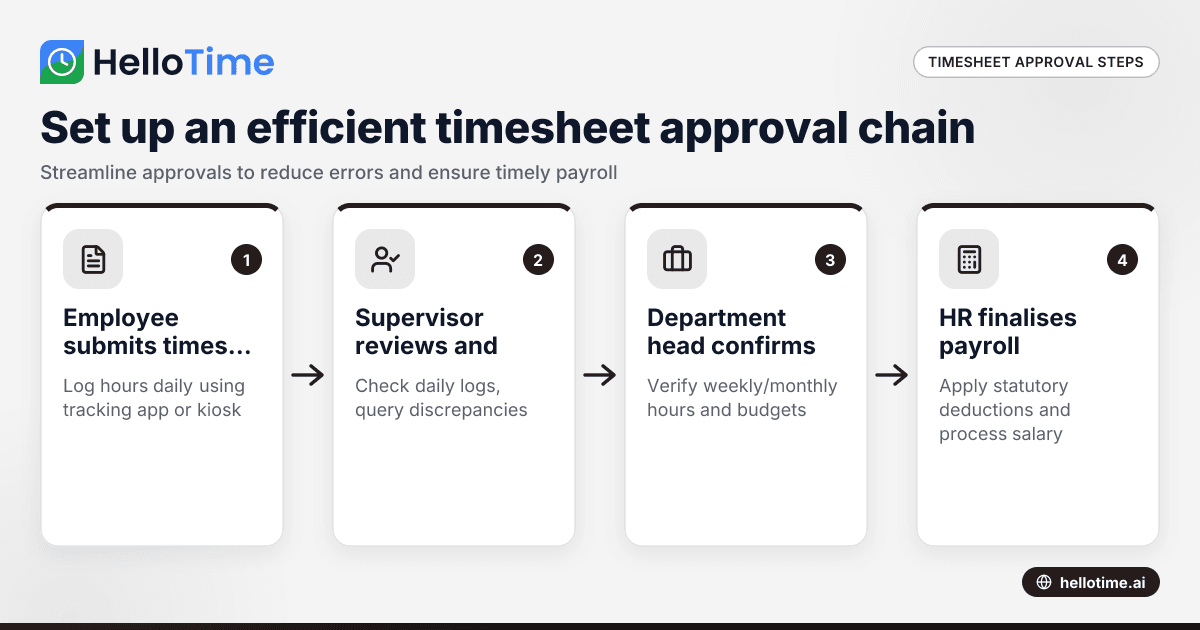
How to Set Up an Efficient Timesheet Approval Chain for Indian SMEs
How to Set Up an Efficient Timesheet Approval Chain for Indian SMEs This guide is for owners, HR, and operations managers at Indian small and.
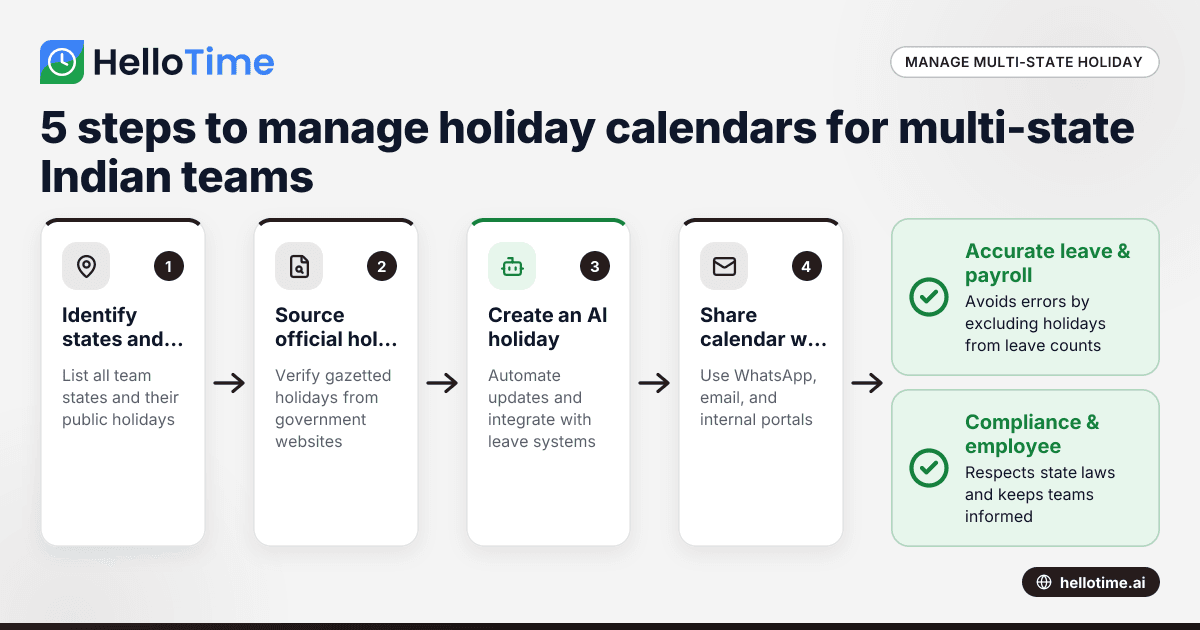
How to Manage Holiday Calendars for Multi-State Teams in India
Managing holiday calendars for multi-state teams in India can be complex due to different state-specific holidays and observances. By the end of this.
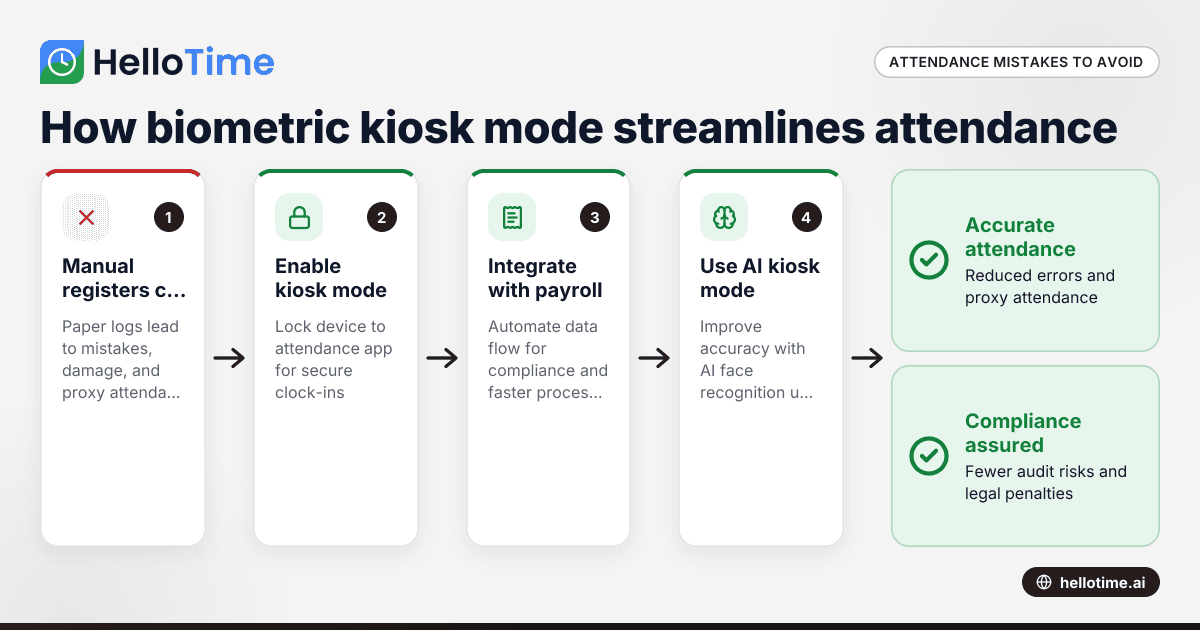
How Biometric Attendance Kiosk Mode Can Streamline Workforce Management for Indian Manufacturing Units
Manufacturing units in India often struggle with managing workforce attendance accurately and efficiently. Errors in attendance tracking lead to.