Understanding Data Privacy and Employee Time Tracking Compliance in United States Small Businesses
Understanding Data Privacy and Employee Time Tracking Compliance in United States Small Businesses Data privacy is a critical concern for small.
The HelloTime team
8 min read
On this page
Understanding Data Privacy and Employee Time Tracking Compliance in United States Small Businesses
Data privacy is a critical concern for small businesses in the United States that track employee time. While the General Data Protection Regulation (GDPR) is a European law, US companies dealing with employee data must still ensure compliance with privacy best practices. Complying with US federal and state laws while protecting employee data builds trust and avoids costly violations.
Key takeaways
- The GDPR is a European Union regulation; US small businesses are not legally required to comply but may encounter it when working with EU partners.
- US time tracking and employee privacy laws focus on protecting sensitive workforce data from misuse, with varying state requirements.
- Best practices for data privacy include limiting data collection, securely storing records, and obtaining proper employee consent.
- Small businesses should choose time tracking software that supports privacy compliance and transparency.
- Understanding how AI-powered time tracking tools handle data in compliance with privacy regulations is increasingly important.
- Proper workforce management software simplifies auditing, reporting, and managing data rights related to employee time records.
What is GDPR and does it apply to US small businesses?
The GDPR is a comprehensive data privacy regulation that governs how businesses collect, use, and manage personal data of individuals located in the European Union. It emphasizes user consent, data minimization, and strict penalties for non-compliance.
For most US small businesses whose workforce and customers are predominantly in the United States, GDPR does not legally apply. However, if your company works with EU clients, processes data originating from the EU, or has EU-based employees, you must comply with GDPR rules concerning personal data management.
Even when GDPR does not apply, US small businesses benefit from adopting its principles to protect employee privacy and demonstrate trustworthiness. This can be especially helpful as customers and partners increasingly expect strong data governance practices.
What US laws govern employee time tracking and data privacy?
Unlike GDPR, which is a comprehensive privacy law, the US regulatory landscape is fragmented across federal and state levels. No single federal law governs employee time tracking data privacy specifically, but several statutes impact workplace data:
- Fair Labor Standards Act (FLSA): Requires employers to keep accurate records of hours worked but does not specify privacy rules.
- Americans with Disabilities Act (ADA) and Health Insurance Portability and Accountability Act (HIPAA): Protect sensitive information such as medical or disability status collected during employee time tracking.
- State privacy laws: California Consumer Privacy Act (CCPA) and Virginia’s Consumer Data Protection Act (CDPA) regulate personal data in employment contexts and require data handling transparency.
Given the mix of federal and state laws, many states impose stricter rules around employee consent, reasonable data collection, and limits on surveillance that impact how small businesses track employee time.
How does AI impact data privacy compliance in employee time tracking?
AI GDPR considerations are increasingly relevant as many time tracking solutions integrate AI features, such as automated attendance verification and timesheet generation. AI tools process vast amounts of employee data, including location and biometric signals, which heightens privacy risks.
Under regulations like GDPR, AI systems must ensure data is handled lawfully, transparently, and with appropriate security. While GDPR is European, American small businesses leveraging AI-powered tools should apply similar principles:
- Inform employees about AI data collection and usage.
- Ensure AI systems only process necessary time tracking data.
- Regularly audit AI tools for bias and accuracy to prevent misuse.
- Secure data storage and access control to avoid data leaks.
Choosing AI-integrated workforce management tools designed with privacy in mind helps US businesses remain compliant and trusted by their employees.
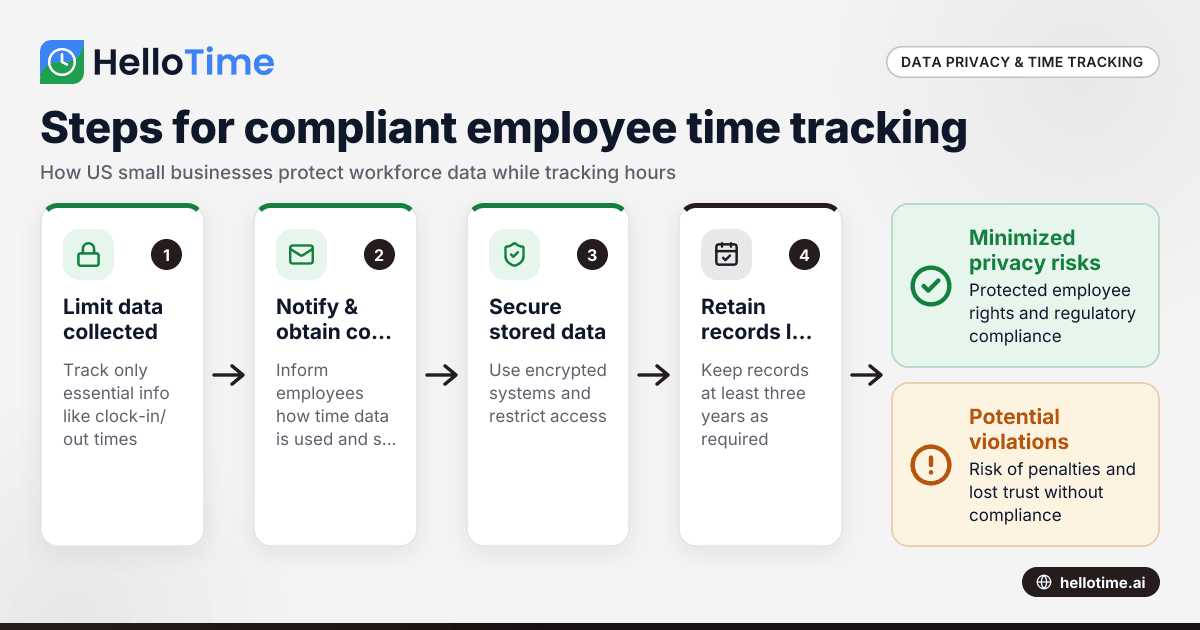
How do small businesses stay compliant while tracking employee time?
Short summary: Small businesses must balance accurate time tracking with privacy protections by collecting minimal data, obtaining employee consent, securing information, and staying up to date with federal and state laws.
To comply effectively, small businesses should:
- Limit data collected: Track only essential information such as clock-in/out times and job codes rather than sensitive details unrelated to work hours.
- Notify and obtain consent: Inform employees how their time data is collected, used, and stored. Written consent is best where required.
- Secure data: Use encrypted, password-protected systems and restrict access to authorized HR or management personnel only.
- Retain data according to law: Follow labor recordkeeping requirements, which generally require keeping records for at least three years.
- Adopt compliant software: Use time tracking and workforce management solutions that facilitate compliance with privacy laws by offering audit logs, user permissions, and data export features.
These practices help minimize risk while respecting employee privacy rights.
What features should you look for in time tracking software to ensure data privacy?
Short summary: Choose time tracking software that includes secure data storage, role-based access, clear audit trails, employee self-service, and data export capabilities to meet privacy requirements.
Practical features that support compliance include:
- Secure cloud storage with encryption: Protect data from breaches.
- Role-based access control: Limit who can view or edit sensitive time records.
- Audit logs and reporting: Track who accessed or modified information for transparency.
- Employee access portals: Allow employees to view and dispute their data.
- Automated alerts for data retention compliance: To manage record deletion timelines.
- Clear privacy policies and consent workflows: Facilitate employee awareness and legal compliance.
By evaluating these capabilities, small business owners can confidently implement time tracking while safeguarding workforce data.
What do employees need to know about their data privacy rights related to time tracking?
Employees have a right to know what personal data is collected about them and how it is used. Informing them clearly builds trust and helps avoid misunderstandings.
Key points employees should understand include:
- What data is collected (hours worked, location, biometric data if any).
- How the data will be used (payroll, scheduling, compliance).
- Who has access to their information.
- Their rights to review and correct time records.
- Security measures protecting their information.
- Legal basis for data processing and retention periods.
Employers should provide accessible privacy notices and channels for questions or concerns, reinforcing a culture of transparency.
How does HelloTime help US small businesses manage time tracking and data privacy?
HelloTime offers advanced time tracking and workforce management features tailored for small and mid-sized businesses in the US. Its software enables one-click time tracking with fully automated timesheets and approvals to reduce manual errors and data exposure.
Secure, cloud-based storage protects sensitive employee time data, combined with role-based permissions to control access. Features like GPS and geofenced clock-in respect employee location privacy while preventing buddy punching. Employees can check their records through self-service portals, fostering transparency.
HelloTime’s compliance-friendly design simplifies managing records in line with federal and state labor laws. For businesses adopting AI-powered capabilities, it incorporates privacy best practices aligned with global standards like GDPR to ensure responsible data handling.
Explore the full set of features and compare plans on our pricing page to find a solution that fits your compliance and workforce needs.
Frequently asked questions
Is GDPR relevant for US small businesses tracking employee time?
Most US small businesses do not fall under GDPR unless they manage data of EU residents or employees. However, GDPR’s principles are useful guides for enhancing employee data privacy even in the US.
What are the main US laws about employee time tracking data privacy?
The Fair Labor Standards Act requires accurate work time records but does not set privacy rules. State laws like the California Consumer Privacy Act provide additional protections for employee personal information.
Can AI-powered time tracking tools compromise employee privacy?
AI tools can pose risks if they collect excessive data or lack transparent processing policies. Choosing AI tools with clear consent, minimal data collection, and strong security mitigates those concerns.
How long should businesses keep employee time records?
Generally, the US Department of Labor advises retaining payroll and timekeeping records for at least three years, though state laws may require longer retention depending on the jurisdiction.
Can employees request access to their time tracking data?
Yes, under many state privacy laws, employees have the right to access, review, and request correction of records that contain their personal data, including hours worked.
What steps should a small business take if there is a data breach involving employee time records?
A breach should be reported promptly to affected employees and relevant authorities following applicable laws. Businesses should also review and strengthen their data security practices to prevent future incidents.
If you're looking to improve time tracking accuracy and protect employee data simultaneously, explore how HelloTime can help with our comprehensive time tracking and workforce management features. Compare our plans and find the right fit for your business needs on the pricing page.
Read next
This article covers one part of a bigger topic. For the complete picture, read our guide to gdpr dpdp dpa.
Keep reading
Related articles
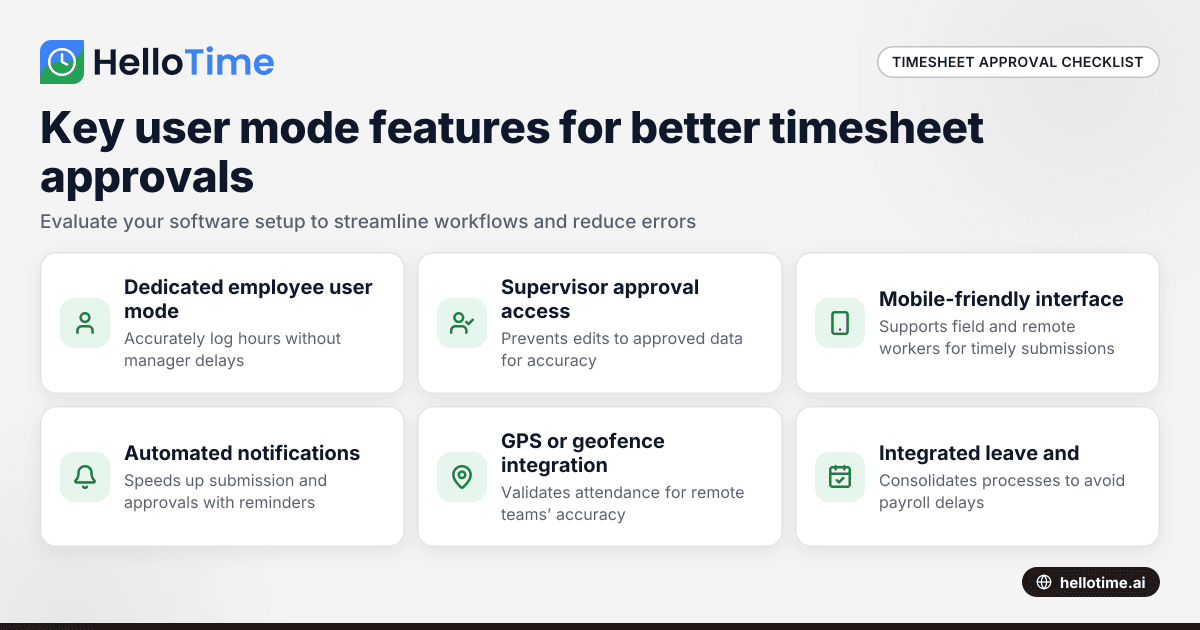
How User Mode Enhances Timesheet Approval Workflow for Indian Small Businesses
How User Mode Enhances Timesheet Approval Workflow for Indian Small Businesses.
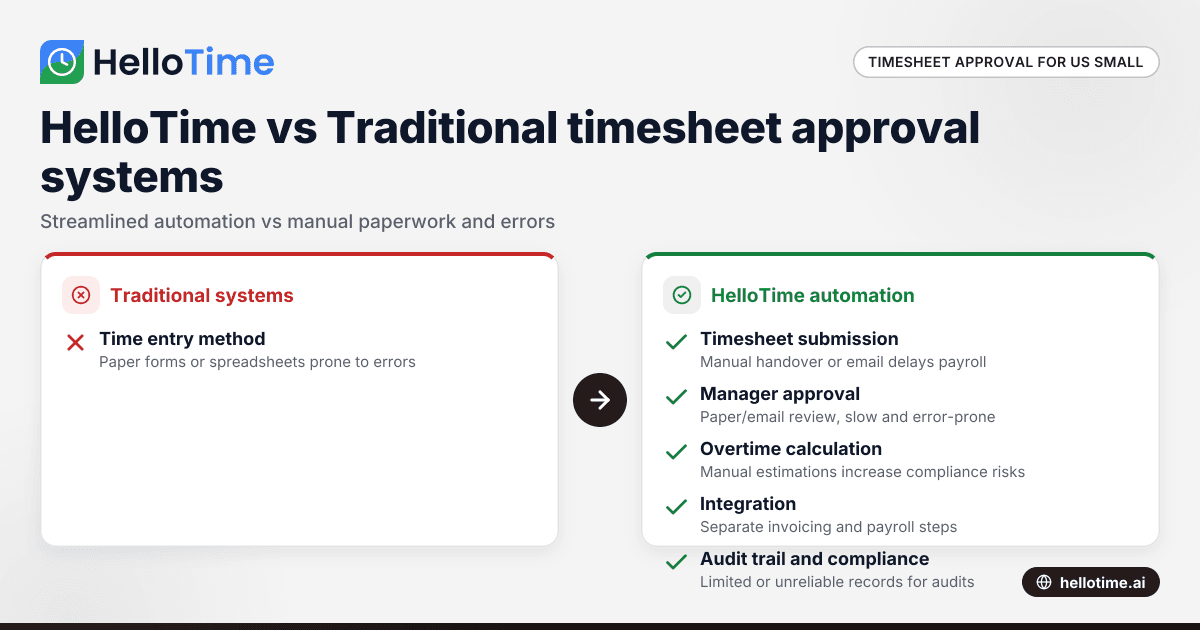
HelloTime vs Traditional Timesheet Approval Systems: Advantages for United States Small Businesses
HelloTime vs Traditional Timesheet Approval Systems: Advantages for United States Small Businesses When comparing HelloTime vs traditional timesheet.
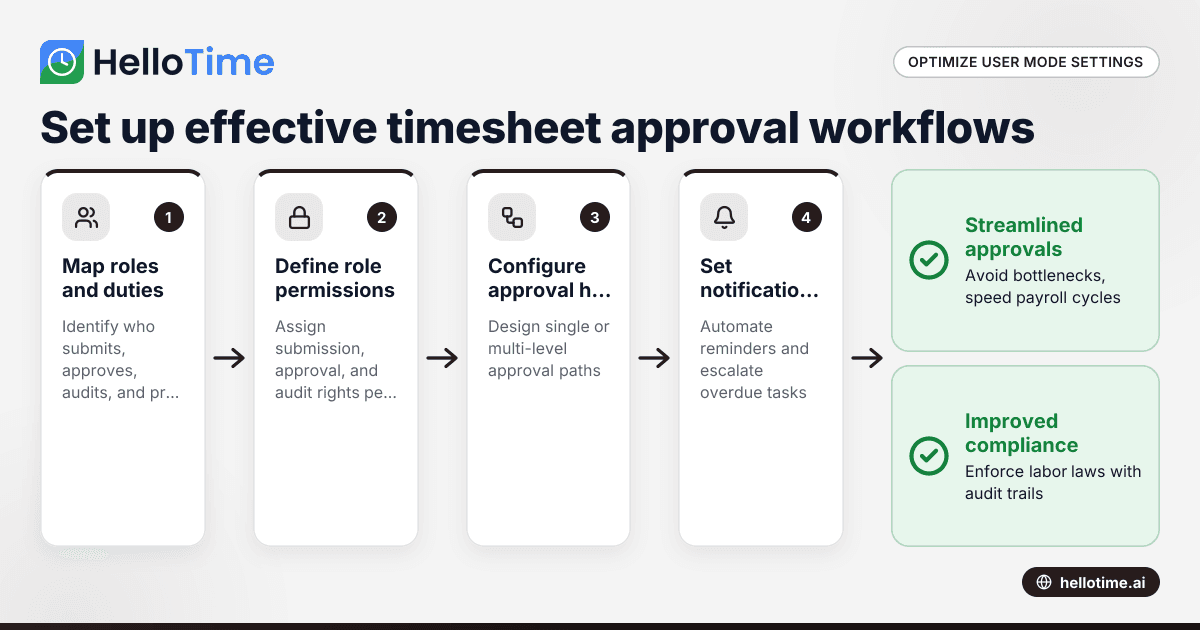
How United States Small Businesses Can Optimize User Mode Settings to Streamline Timesheet Approval Workflows
In timesheet approval workflows, user mode customizes access and approval steps based on employee roles, allowing roles like employees, managers, and.