Understanding Data Privacy Laws for US Small Businesses Using Timesheet Approval Workflows
Understanding Data Privacy Laws for US Small Businesses Using Timesheet Approval Workflows Data privacy laws regulate how businesses collect and.
The HelloTime team
6 min read
On this page
Understanding Data Privacy Laws for US Small Businesses Using Timesheet Approval Workflows
Data privacy laws regulate how businesses collect and manage employee information, including timesheet data. US small businesses must comply with federal and state regulations to protect employee privacy and secure sensitive timesheet data from misuse or breaches.
Key takeaways
- GDPR influences global privacy norms but directly applies only in limited US cases.
- US employers must navigate federal and state privacy laws affecting employee data.
- Timesheet workflows handle personal data needing careful protection and access control.
- Role-based permissions and data minimization reduce privacy risks in timesheet management.
- Transparency toward employees about data handling builds trust and compliance.
- Software with built-in privacy features helps meet legal and operational privacy requirements.
How does the GDPR relate to US small businesses using timesheet workflows?
The GDPR is an EU regulation that mainly applies to businesses handling data of EU residents. For most US small businesses processing only US employee data, GDPR does not apply. However, GDPR sets a global privacy standard influencing US privacy practices and software design.
Many US businesses adopt “ai gdpr” principles—like data minimization and explicit consent—to enhance privacy. Using AI-powered time tracking systems that follow these principles can help US companies protect employee data better and prepare for potential global customer requirements.
What US laws govern employee data privacy related to timesheets?
US federal law does not have a single comprehensive employee privacy statute. Instead, several laws impact timesheet data. The Fair Labor Standards Act (FLSA) mandates accurate work-hour records but does not specify privacy protections. Other laws like HIPAA protect health data, and the Federal Trade Commission Act prohibits unfair data practices.
State laws also play a major role. The California Consumer Privacy Act (CCPA) gives California employees rights over personal data collected by employers. Illinois’ Biometric Information Privacy Act (BIPA) regulates collection and use of biometric data such as facial recognition. Compliance requires understanding your state’s applicable laws. Employee timesheet data must be protected appropriately.
Why is privacy important in timesheet approval workflows?
Timesheet data includes names, work hours, GPS locations, biometric identifiers, and sometimes health-related leave info. This personal data is sensitive. Mishandling it risks employee harm and puts your business at risk of legal actions and reputation damage.
Employees expect secure, transparent handling of their data. Protecting privacy fosters trust, reduces breach risks, and ensures legal compliance in workforce management. Privacy is core to responsible timesheet approvals.
What are the risks if data privacy is ignored in timesheet approvals?
Ignoring privacy can cause:
- Exposure of sensitive employee information via breaches.
- Legal penalties under laws like CCPA or BIPA.
- Loss of workforce trust and morale.
- Reputation damage and client mistrust.
- Business disruptions from investigations or lawsuits.
Compliance protects employees and your company’s sustainability.
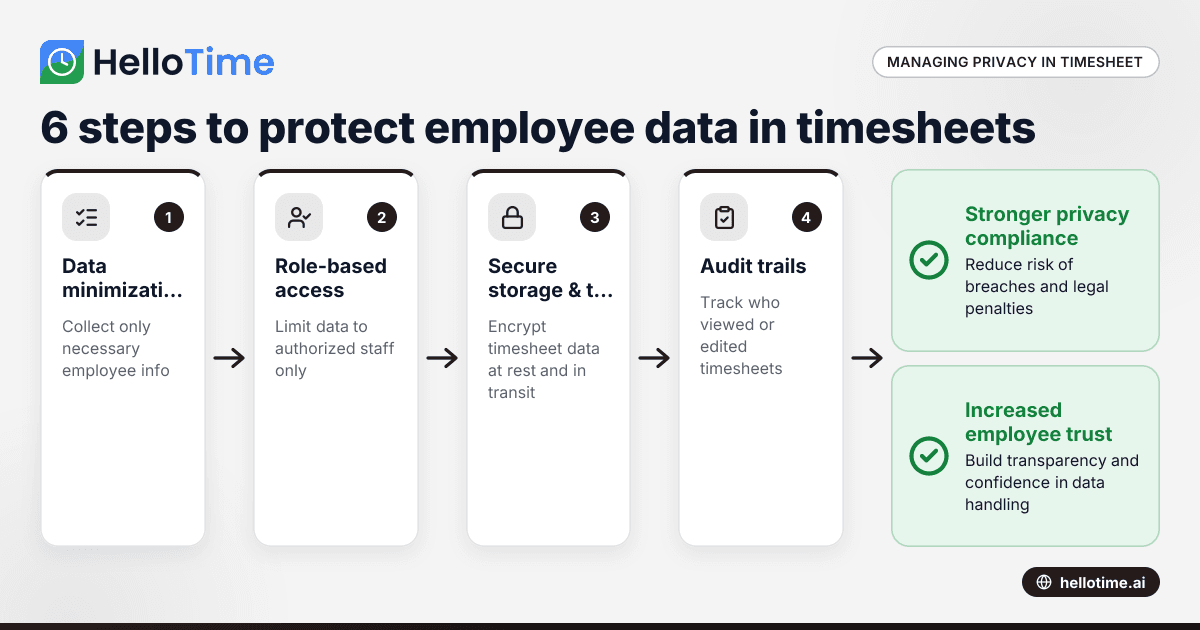
How to manage data privacy in timesheet approval workflows?
Effective privacy management requires steps across timesheet submission, approval, and payroll processing:
1. Data minimization
Collect only necessary information for payroll and compliance. Avoid excessive personal details unless legally needed.
2. Role-based access control
Restrict data access to authorized supervisors and payroll staff only. Use software that supports permission settings by role.
3. Secure data storage and transmission
Encrypt timesheet data at rest and in transit. Avoid unsecured devices or shared drives.
4. Audit trails
Keep logs showing who viewed or edited timesheets for accountability and audits.
5. Employee transparency and consent
Inform employees about data collection, use, and access. Obtain explicit consent for biometric data as required.
6. Data retention policies
Define how long to keep timesheet records based on state and federal laws. Delete or anonymize data when no longer necessary.
Can AI help with managing data privacy in timesheet workflows?
AI can improve privacy by detecting unusual data access, automating consent tracking, and enforcing “ai gdpr” style data minimization. It supports proactive privacy management in complex workflows. However, AI systems must be configured to comply with US privacy laws and do not replace employer responsibility for safeguarding employee data.
What about biometric data and facial recognition in time tracking?
Using facial recognition involves distinct privacy considerations. States like Illinois require written employee consent, clear usage policies, and strong data safeguards under the Biometric Information Privacy Act.
If your timesheet system uses facial recognition clock-in:
- Obtain explicit written consent before collecting biometrics.
- Clearly disclose the purpose and limits on data use.
- Store biometric data securely with strong encryption.
- Offer opt-out alternatives if mandated.
Noncompliance risks fines and legal challenges.
How does HelloTime support data privacy in timesheet approval workflows?
HelloTime provides secure role-based access controls and encrypted cloud storage aligned with best practices. It includes audit trails to track timesheet approvals and edits, enhancing transparency.
For biometric attendance via facial recognition, HelloTime assists employers in obtaining employee consent and managing data handling policies compliant with laws like Illinois’ BIPA. Explore HelloTime’s features to see how it balances efficient workforce management with strong data privacy safeguards.
Frequently asked questions
Does GDPR apply to US small businesses using timesheet workflows?
GDPR applies if your business processes data of EU residents, including timesheet info. Most US small businesses without EU employees or clients are not covered. Still, GDPR principles offer strong privacy guidelines.
What privacy laws should US employers follow for timesheet data?
Employers must follow applicable federal laws and state regulations such as the California CCPA and Illinois BIPA. These laws regulate employee data rights and privacy practices around timesheets.
How can small businesses ensure secure timesheet approvals?
Use role-based access, encrypt data storage and transfers, maintain audit logs, minimize data collection, and keep employees informed about data use. Selecting software with these protections simplifies compliance.
Is it legal to use facial recognition for clock-in in the US?
It depends on state laws. Illinois requires explicit consent and strict data protections. Other states may have different rules or none. Always verify local requirements before using biometric attendance.
How long should timesheet data be retained?
Retention varies by law, typically 3 to 7 years for payroll records. Companies should securely delete or anonymize data after the retention period ends.
Can AI improve timesheet data privacy management?
Yes. AI aids in monitoring access and automating privacy controls following “ai gdpr” principles. However, businesses must ensure AI use complies with applicable privacy laws and maintain responsibility for data security.
If you want to improve your workforce management while protecting employee privacy, consider checking out HelloTime’s features and compare plans that fit small and mid-sized businesses at pricing.
Read next
This article covers one part of a bigger topic. For the complete picture, read our guide to gdpr dpdp dpa.
Keep reading
Related articles
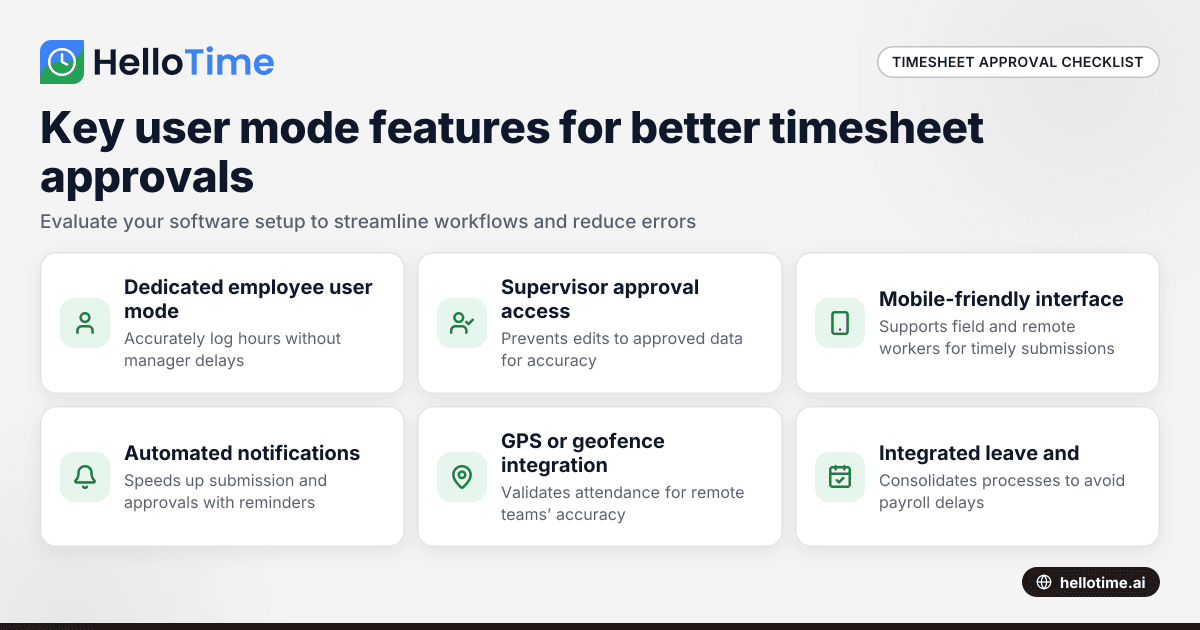
How User Mode Enhances Timesheet Approval Workflow for Indian Small Businesses
How User Mode Enhances Timesheet Approval Workflow for Indian Small Businesses.
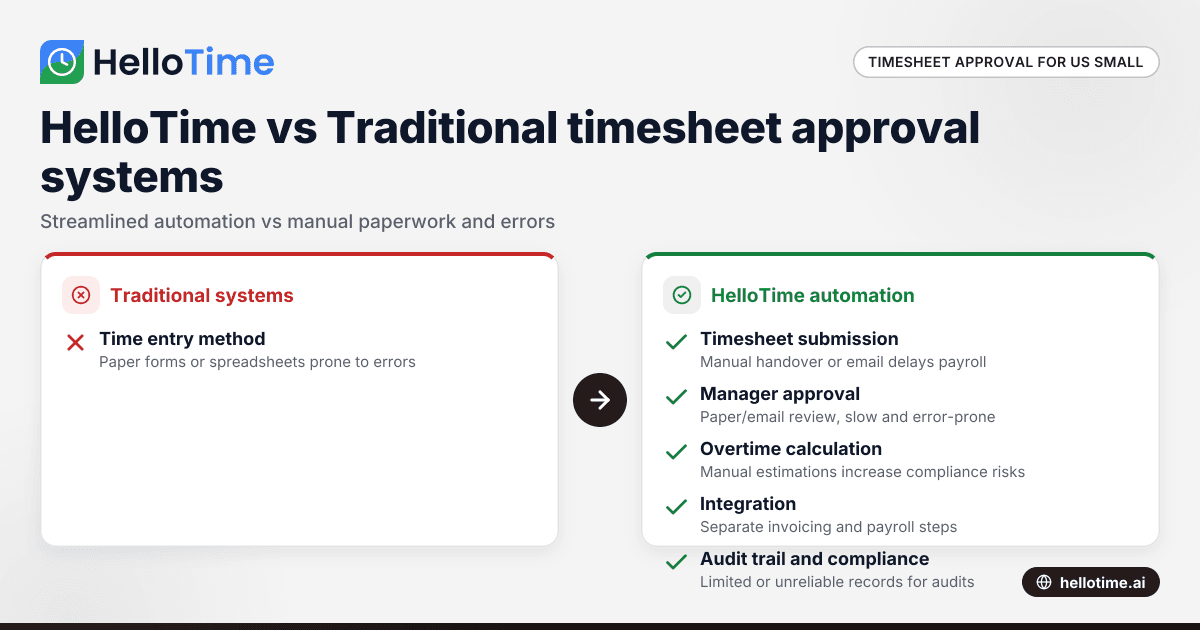
HelloTime vs Traditional Timesheet Approval Systems: Advantages for United States Small Businesses
HelloTime vs Traditional Timesheet Approval Systems: Advantages for United States Small Businesses When comparing HelloTime vs traditional timesheet.
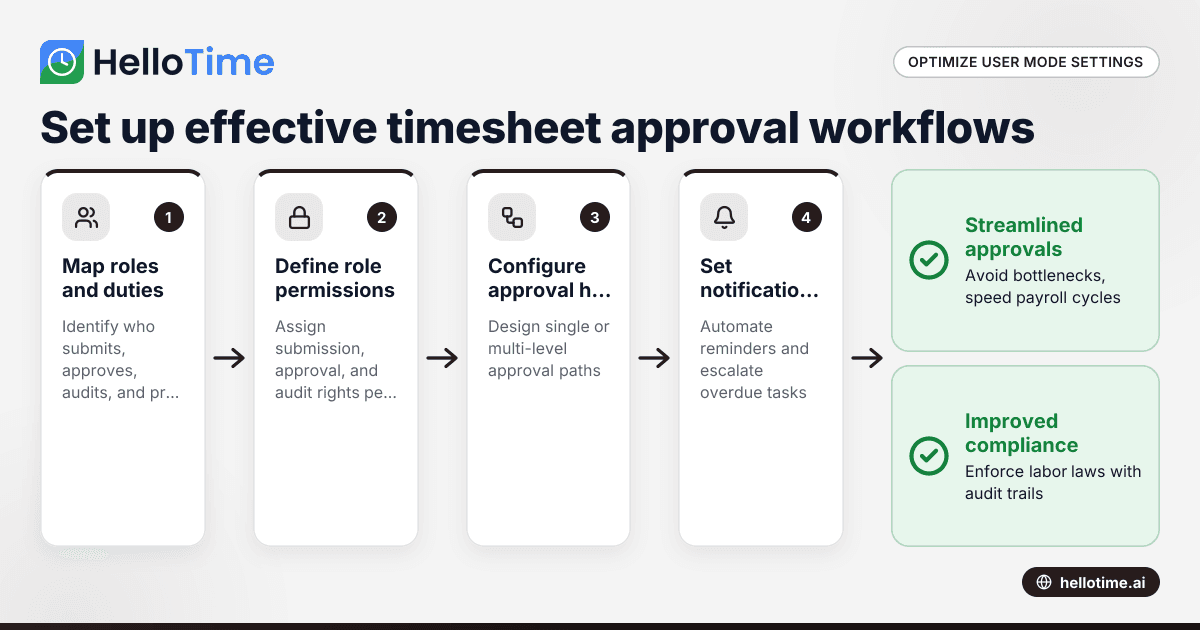
How United States Small Businesses Can Optimize User Mode Settings to Streamline Timesheet Approval Workflows
In timesheet approval workflows, user mode customizes access and approval steps based on employee roles, allowing roles like employees, managers, and.