How to Plan and Manage Shift Rosters for Multi-Site Retail Chains in Mumbai and Bengaluru
How to Plan and Manage Shift Rosters for Multi-Site Retail Chains in Mumbai and Bengaluru This guide is for owners, HR and operations managers of.
The HelloTime team
5 min read
On this page
How to Plan and Manage Shift Rosters for Multi-Site Retail Chains in Mumbai and Bengaluru
This guide is for owners, HR and operations managers of retail chains with multiple outlets in Mumbai, Bengaluru and nearby areas. By the end, you will have clear steps to plan and manage shift rosters effectively across sites to reduce scheduling conflicts, improve staff satisfaction and ensure smooth daily operations.
Before you start
- Obtain a list of all retail outlets, their locations and operating hours.
- Collect employee data including role, skills, availability and preferred sites.
- Understand labour laws applicable in Maharashtra and Karnataka, including working hours and mandatory breaks under the Shops and Establishment Acts.
- Identify peak sales periods and forecast staffing needs accordingly.
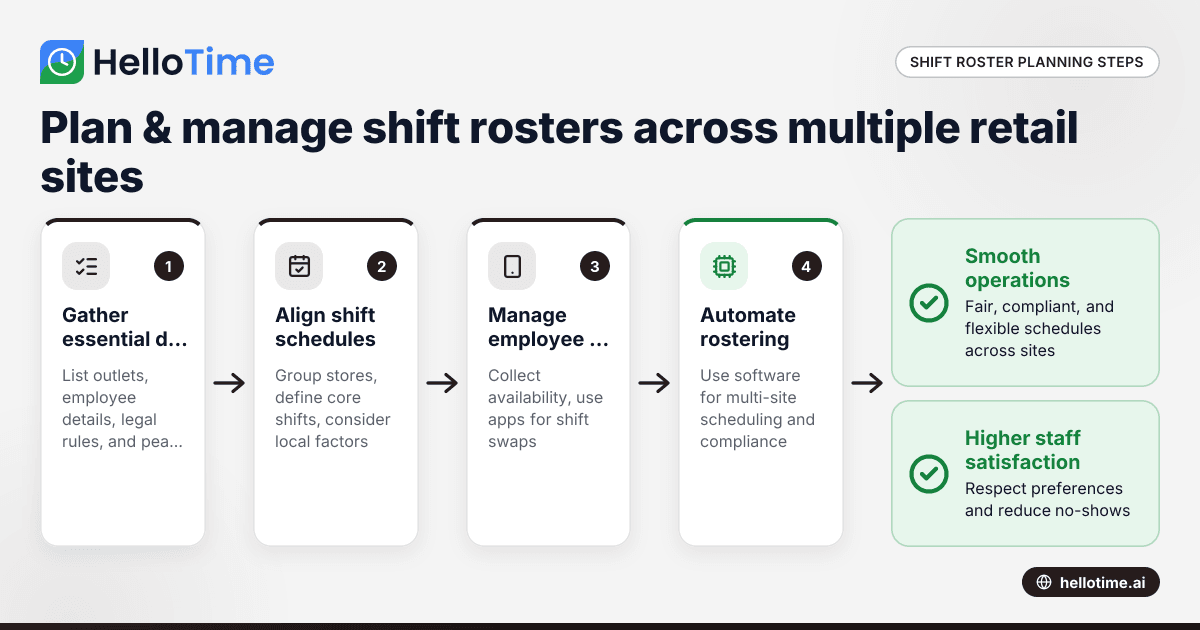
Step 1: How do I align shift rosters across multiple retail sites?
Aligning shift rosters means creating a standardised scheduling framework that works for all outlets while respecting their unique demands. This helps to ensure fairness, manage labour costs and maintain compliance.
Start by grouping stores with similar business hours and employee profiles. Define core shifts such as morning (9am-5pm), afternoon (1pm-9pm), and night shifts if applicable. Use these shift windows as templates for roster creation.
A common mistake is ignoring local site-specific factors such as neighbourhood traffic patterns, which affect employee commute times and shift preference. Consult with floor managers at each outlet before finalising to address these details.
Step 2: What are the best practices to manage employee availability and preferences?
Managing availability starts with clear communication. Set up a system where employees can submit their preferred working days, maximum work hours per week, and planned leaves in advance.
Consider using technology that supports shift swaps and availability updates via mobile apps or WhatsApp, which is widely used for staff coordination in Indian retail environments. This flexibility improves staff morale and reduces no-shows.
Common errors include over-scheduling part-time workers or ignoring legal limits on weekly work hours, leading to non-compliance penalties under Maharashtra and Karnataka labour laws.
Step 3: How can I automate shift rostering to reduce manual errors?
Automation brings accuracy and saves time. Choose shift rostering software that supports multi-site operations, allowing you to generate, adjust, and approve rosters from a central dashboard.
Automated systems can also factor in employee leaves, overtime, and statutory requirements like minimum rest periods. This reduces errors common with spreadsheet-based rostering, such as double-booking or understaffing.
Many retail chains in metros like Mumbai and Bengaluru now use AI retail chains technology integrated into their workforce management to predict staffing needs and optimise shift assignments.
Step 4: How do I handle last-minute changes and shift swapping efficiently?
Last-minute absences or store-specific urgencies require an agile approach. Have a clear policy for shift swaps that lets employees exchange shifts with managerial approval to maintain accountability.
Communicate promptly using group messages or apps. Maintain an on-call standby list of trained staff willing to fill urgent gaps.
Avoid pen-and-paper updates because these are prone to miscommunication, increasing chances of operational hiccups during busy hours.
Worked Example: Planning Shifts for a Retail Chain with 5 Outlets in Mumbai and Bengaluru
Assume you run a retail chain with five outlets: three in Mumbai and two in Bengaluru. Each outlet functions from 10am to 10pm. You have 50 employees, each capable of working one or more outlets.
- Step 1: You create three shifts: 10am-4pm, 2pm-8pm, and 4pm-10pm, overlapping peak customer hours.
- Step 2: Employees submit their availability via WhatsApp two weeks before the schedule period. You note five employees prefer only evening shifts in Bengaluru.
- Step 3: Using shift rostering software, you upload employee data and store requirements. The software suggests shift assignments balancing preferences and labour laws.
- Step 4: Two days before, one Mumbai outlet manager reports a sudden staff shortage due to illness. You notify employees via the app and manage swap approvals to cover the shift.
This example illustrates the importance of combining planning, communication, and technology to manage retail chains multi-site shift rostering India effectively.
What labour rules must I consider for shift rostering in Maharashtra and Karnataka?
Labour laws require a maximum of 48 working hours per week with at least one weekly off. Employees must have a daily rest of at least 11 hours between shifts. Shops and Establishment Acts mandate payment for overtime beyond standard hours.
Ensure you track breaks and overtime precisely because audit authorities ask for proof during inspections. Rule adherence avoids fines and helps retain a healthy workforce.
How does AI improve shift rostering for retail chains multi-site?
AI in retail chains helps predict demand based on factors like festivals, local events and historical sales data. This enables dynamic scheduling where shifts adjust automatically to expected footfalls.
AI also analyses employee productivity and preferences to propose optimal shift patterns, reducing fatigue and absenteeism with minimal manual intervention.
Implementing AI-driven rostering can give businesses in Mumbai and Bengaluru an edge by optimising costs and workforce satisfaction.
Planning and managing shift rosters for multi-site retail chains need a mix of thorough preparation, legal compliance and technology. Start by gathering detailed data, then set standardised shifts with room for staff preferences. Use automation to reduce errors and keep communication transparent for handling unexpected changes smoothly.
Explore the features to see how HelloTime can help automate shift scheduling, track attendance with GPS or face recognition, and manage leave across your retail outlets. Check pricing to find a plan that fits your business size.
Taking these steps will keep your workforce organised and your retail operations running efficiently across Mumbai, Bengaluru and beyond.
Related reading
- time tracking software in India
- How User Mode Simplifies Managing Multi-Site Retail Roster Planning in the United States
- How User Mode Enhances Shift Scheduling Efficiency for Retail Stores in Mumbai, India
Read next
This article covers one part of a bigger topic. For the complete picture, read our guide to retail chains multi-site.
Keep reading
Related articles
How User Mode Simplifies Managing Multi-Site Retail Roster Planning in the United States
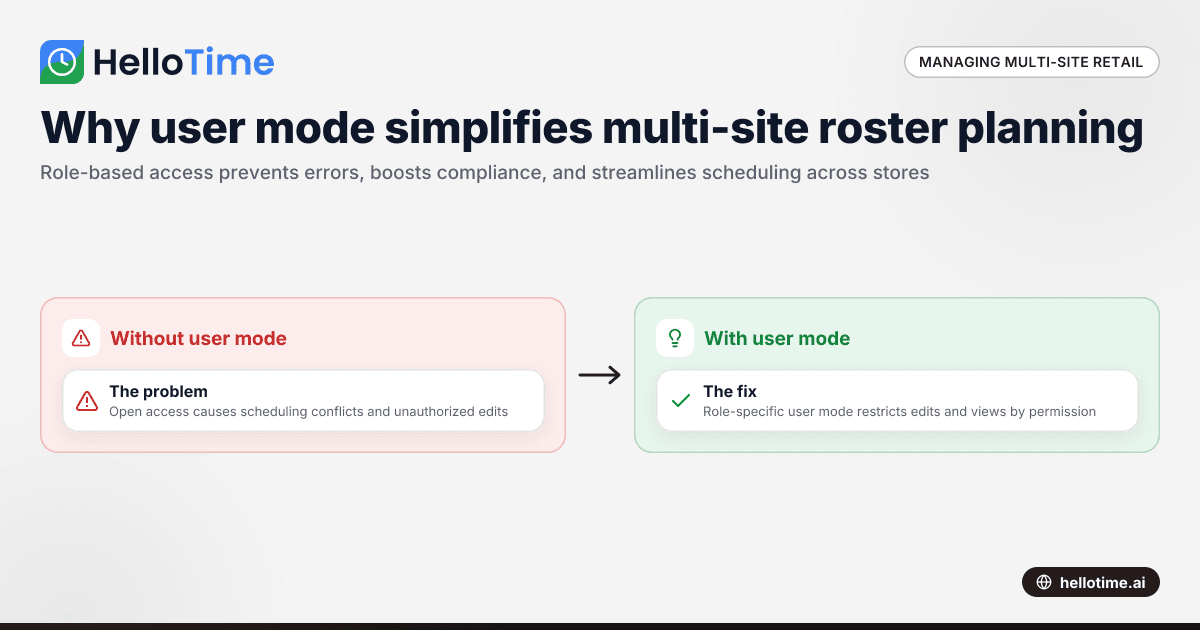
User mode in multi-site retail roster planning customizes access and control for each user, matching their role. It prevents unauthorized schedule.
HelloTime vs When I Work: Choosing the Best Shift Scheduling Software for Retail Stores in the United States
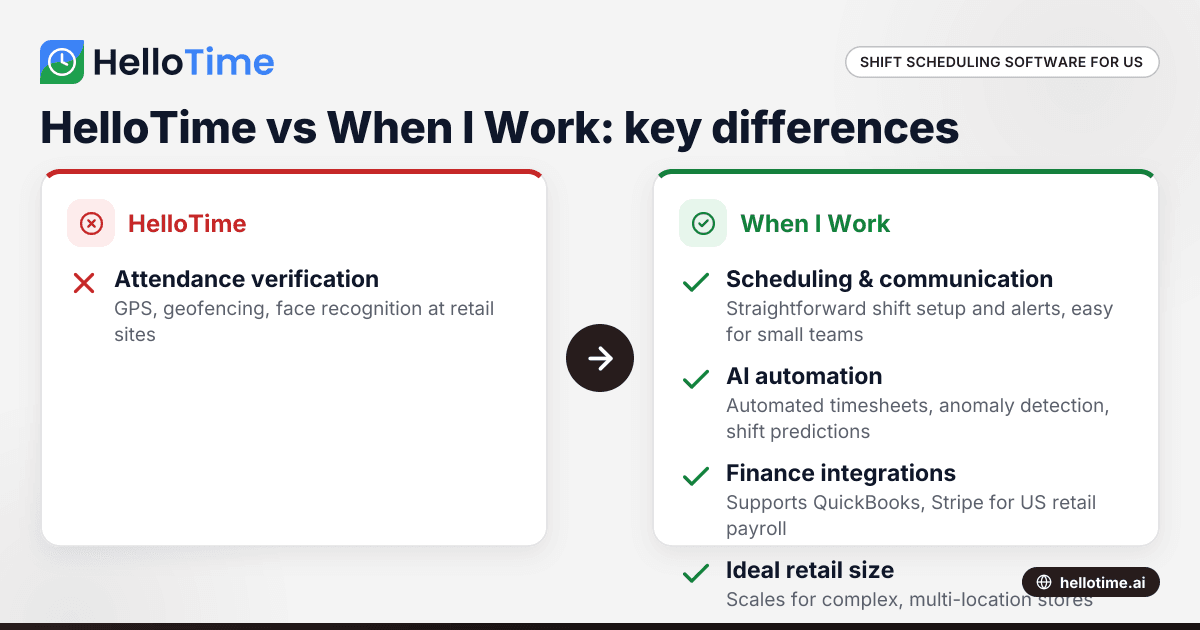
HelloTime vs When I Work: Choosing the Best Shift Scheduling Software for Retail Stores in the United States Shift scheduling is crucial for retail.
How to Set Up an Efficient Timesheet Approval Chain for Indian SMEs
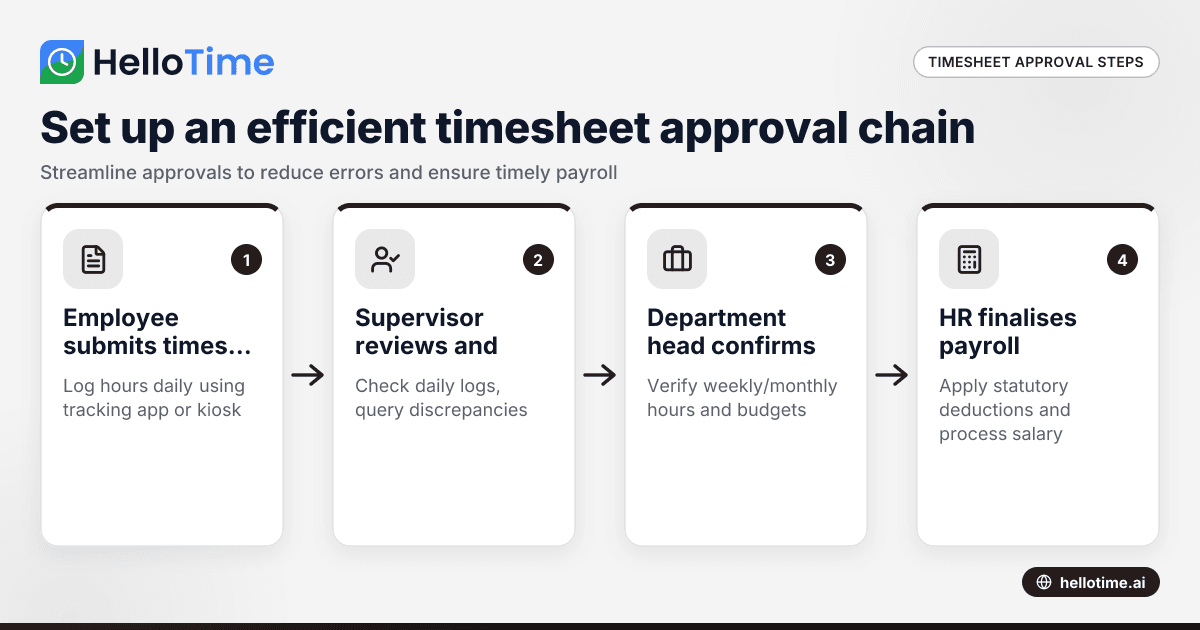
How to Set Up an Efficient Timesheet Approval Chain for Indian SMEs This guide is for owners, HR, and operations managers at Indian small and.